Department
Forestry and Wildlife Technology
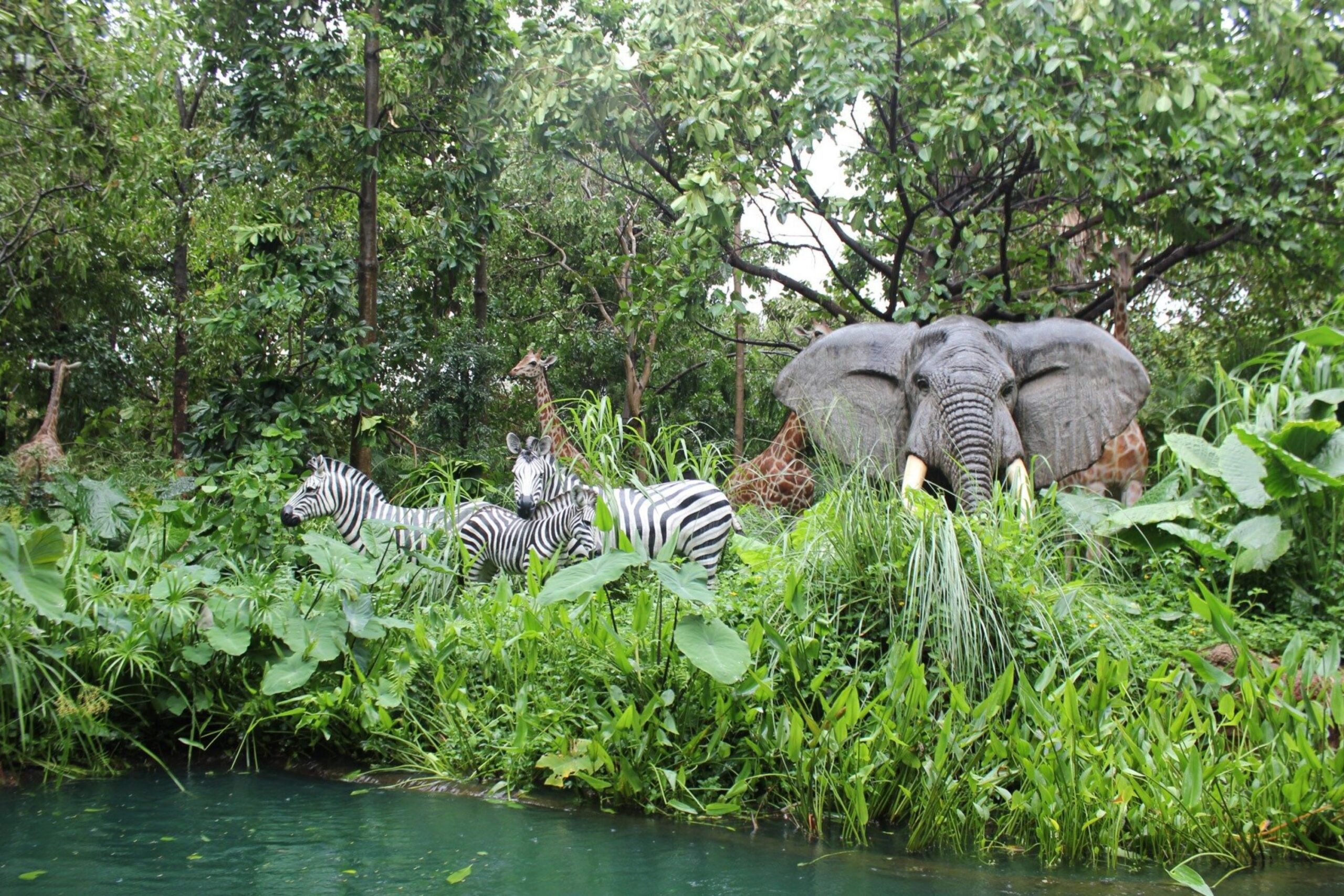
The Department of Forestry and Wildlife strives to provide high-quality training to students who will be able to conserve wildlife and forest resources around the world, working directly with governments and with the rural communities who depend on these resources for their livelihoods and development. To this end, the Department trains highly qualified personnel who will help ensure the maintenance of ecological balance. Specifically, such personnel will: provide stakeholders with basic knowledge of ecosystems and their functional processes; supply information on the changes brought about by excessive anthropogenic activity in the environment and propose sustainable management solutions; apply state-of-the-art techniques to analyse various environmental problems and their effects on living systems; apply economically sound methods and concepts to issues of the environment, management, and environmental policy analysis for the sustainable development of Cameroon; and apply conservation methods to the study of agriculture and the design of productive agro-systems and livelihoods. Not least, the Department equips students with the skills needed to seek cutting-edge answers to some of the environmental problems our planet faces today.
In addition to the learning outcome objectives of the University of Bamenda and the College of Technology, the Bachelor of Science (Combined Honours) degree programme seeks to promote the following specific learning outcomes:
- Advance knowledge of forestry and wildlife management through theory, principles, and the resolution of conservation-related conflicts.
- Demonstrate practical skills in data collection, analysis, handling, statistics, and modelling, with a focus on providing evidence for policy formulation and management.
- Develop field skills in wildlife and forest monitoring, surveying, tracking, and sampling using modern technology.
- Demonstrate advanced analytical skills for the investigation and management of natural populations.
- Identify, quantify, and assess biodiversity in tropical ecosystems.